
Modernizing a Vintage Wedding Dress Without Losing Its Character

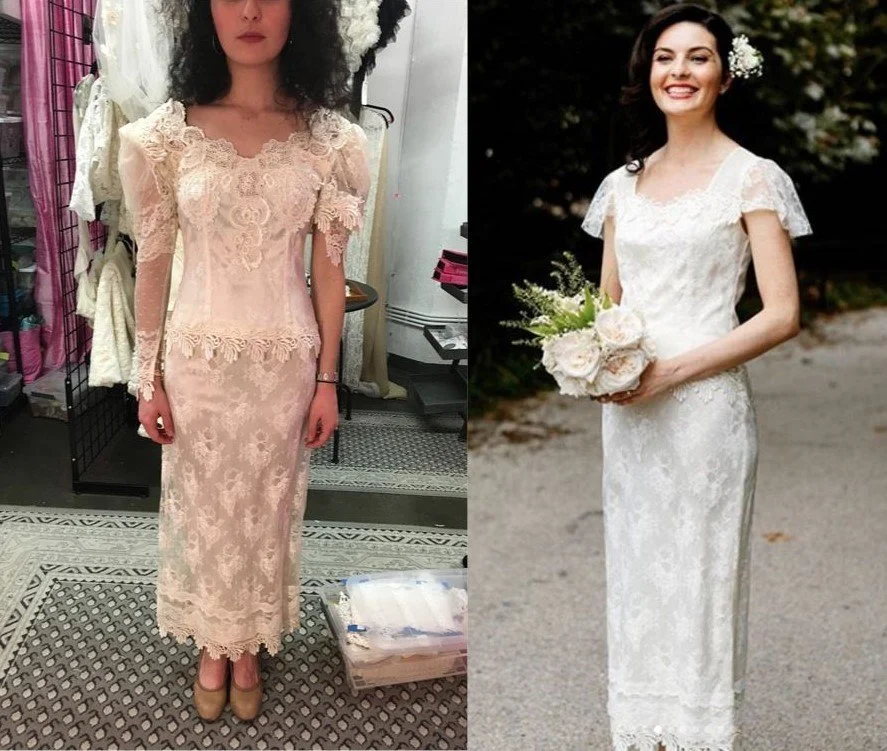

A vintage wedding gown carries history, craftsmanship, and often deep personal meaning. Many brides love these dresses for their charm, but also want a fit and style that feels current. Modernizing a vintage gown is entirely possible, and with thoughtful guidance, you can update the design without compromising what makes it special.
Start by Recognizing the Dress’s Signature Elements
Before any updates begin, the most important step is understanding which parts of the dress define its character. The bridal trends of the era are what give the gown its vintage charm. A skilled restoration specialist will help you pinpoint these details so every update respects the original design.
Key areas to evaluate
Silhouette: Is the gown known for its fitted waist, dramatic A-line, or 1960s column shape? The silhouette often reflects the era and should be considered carefully before changing.
Fabric: Vintage fabrics such as silk, satin, peau de soie, or heirloom lace are irreplaceable. Their texture, sheen, and drape are part of the gown’s charm.
Lace and Embellishments: Hand-applied lace, embroidery, beadwork, or appliqués often hold the most emotional or historical value. These are usually preserved and restored rather than replaced.
Neckline or Sleeves: Details like a high lace collar, Juliet sleeves, or a bateau neckline can be signature features that instantly identify the gown as vintage.
How specialists evaluate what should be preserved
A restoration specialist studies the gown’s construction, materials, and original craftsmanship. They look at how the fabric has aged, which details are structurally important, and which elements are unique to the era. This helps determine which features carry historical or design value and should remain part of the gown.
When certain details should stay untouched to maintain historical integrity
Some details define the gown’s identity and are best left as they are. This may include rare lace, signature sleeves, heirloom beadwork, or distinctive seams. If these elements are still in good condition, preserving them ensures the dress stays true to its original character while any updates feel respectful and intentional.
Identifying these non-negotiables early creates a foundation for the rest of the modernization process. It ensures every adjustment supports the gown’s story rather than competing with it.
Practical Ways to Modernize Your Vintage Gown While Preserving Character
Modernizing a vintage gown is all about respecting what makes it special while improving the way it fits, moves, and feels. These updates keep the original charm intact but give the dress the comfort and functionality brides expect today.
Updating Fit and Structure
The foundation of many vintage gowns needs refreshing. Older dresses often lack internal support or have delicate areas that need reinforcement. These updates focus on improving comfort and security without changing the gown’s appearance.
Common structural modernizations include:
Rebuilding the bodice to provide support and shape, especially when the original structure is worn or minimal.
Adding modern linings made from softer, breathable materials that feel comfortable against the skin.
Strengthening weak seams or fragile lace from the inside so the gown remains beautiful on the outside and safe to wear all day.
These adjustments allow a bride to move confidently while keeping every original detail visible and intact.
Refreshing the Silhouette
A vintage silhouette may feel slightly dated or heavier than today’s styles, but gentle tailoring can make a big difference without losing the gown’s essence.
Thoughtful silhouette updates include:
Subtle reshaping that enhances the gown’s original lines while making it more flattering or modern.
Reducing excess volume or weight so the dress is easier to walk, sit, and dance in, especially if the skirt includes multiple layers.
Adjusting skirt fullness, train length, or proportions while protecting signature features such as lace panels or hand-sewn embellishments.
Reworking Necklines and Sleeves
Necklines and sleeves often define a gown’s era, but they can also be updated thoughtfully to feel current and comfortable.
Ways to modernize these areas include:
Choosing updated shapes that complement the gown, such as soft V-necks or refined off-the-shoulder styles that still suit the original design.
Preserving original lace or trims by repositioning them on the new neckline or sleeve shape so the craftsmanship remains front and center.
Incorporating gentle modern updates such as slimming a puff sleeve, removing excess stiffness, or softening a high neckline for a lighter, more contemporary look.
The goal is to improve wearability while maintaining the gown’s unmistakable vintage beauty.
Restoring and Refining Details
Restoration often involves small, precise adjustments that make the gown feel refreshed without appearing altered.
Key refinements include:
Replacing missing lace or beadwork with carefully sourced materials that match the original as closely as possible.
Removing yellowing or discoloration using cleaning methods designed specifically for delicate, aged fabrics.
Adding new details only when they enhance the dress, such as subtle sparkle or a soft lining that complements the original craftsmanship.
Each refinement supports the gown’s history rather than competing with it.
Modern Alterations That Improve Comfort and Wearability
Vintage gowns are beautiful, but many were not built for long events or active movement. Modern alterations can help the dress stay secure and comfortable from morning until your last dance.
Helpful wearability updates include:
Adding supportive cups or internal structure for lift and comfort without visible changes.
Updating closures such as zippers, hooks, or buttons for security and ease of dressing.
Creating a bustle that blends into the gown’s design so that movement after the ceremony feels effortless.
Reinforcing fragile areas to prevent tears or strain throughout the day, especially in older lace or seams.
These updates allow the gown to feel like it was made for a modern celebration while still honoring its vintage origins.
If you're unsure what can safely be changed, our comprehensive Wedding Dress Alterations Guide walks you through the process step by step.
Tasteful Customizations That Personalize Without Overpowering
Custom touches can make a vintage gown feel even more connected to you, as long as they complement its original style. The key is choosing additions that enhance the dress rather than compete with it.
Thoughtful ways to introduce personal style include:
Belts or sashes that define the waist without hiding historic details.
Veils that echo the gown’s fabric or lace, creating a cohesive look without feeling too matchy.
Detachable sleeves that add versatility while pairing naturally with vintage lace or trims.
Modern accessories such as jewelry, gloves, or wraps highlight the gown’s era without overwhelming its character.
When adding any element, a specialist considers the age of the materials, the original color tones, and the dress’s overall personality. This ensures every detail feels intentional and harmonious with the gown’s history.
What to Expect When Working With a Vintage Restoration Specialist
Restoring and modernizing a vintage gown is a collaborative process. Working with someone who understands older fabrics and construction methods helps protect the gown while bringing your ideas to life.
What to bring to your appointment:
The gown, including any accompanying pieces such as underskirts or veils
Shoes you plan to wear
Undergarments or shapewear you expect to use
Any inspiration photos or specific ideas you have in mind
How the process begins:
A specialist will examine the gown carefully, noting which elements are strong and which areas need reinforcement. They will walk you through options for updates, explain what is possible based on the dress’s structure, and help you prioritize changes that support both beauty and function.
Typical timeline:
Many vintage restorations require several fittings over a period of six to twelve weeks. More extensive updates, such as rebuilding internal structure or restoring delicate lace, may need additional time to complete safely and accurately.
Why experience matters:
Vintage fabrics often behave differently from modern materials. Older silks, hand-sewn lace, and antique beadwork require precise handling and specific techniques to preserve their integrity. A professional with experience in vintage restoration ensures the gown stays secure, stable, and true to its original craftsmanship.
Conclusion
Modernizing a vintage wedding dress is not about reinventing it. It is about collaboration, craftsmanship, and honoring the details that make the gown unique. With the right updates, a vintage dress can feel comfortable, wearable, and deeply personal while still celebrating its original charm.
For brides who want to restore or update an heirloom gown, The Wedding Dresser offers expert guidance, thoughtful restoration, and modern tailoring that respects the history of each piece. If you are ready to explore the possibilities, you can book a consultation and begin the journey of bringing your gown’s past and present together beautifully.