
Does Your Wedding Dress Need Alterations? A Guide for Brides
Your wedding dress is more than a garment. It sets the tone for your entire day. Even the most beautifully made gown usually needs thoughtful tailoring before it feels truly your own. At The Wedding Dresser our team of designers and fit specialists in New York City and Baltimore, are dedicated to helping you understand when your dress requires adjustments and guiding you through the process with clarity and confidence.
Most brides will need some level of alterations b because few people are the same size top and bottom. This is completely normal and expected. Alterations are the final step that shapes your gown to your body, your comfort, and your movement. Whether you've found your perfect dress or you're still shopping, understanding the signs that indicate alterations are needed will help you budget properly and ensure you look absolutely stunning on your big day.
Common Types of Bridal Alterations
Professional alterations involve more than taking a dress in or shortening a hem. They focus on refining the structure of your gown so the fit feels natural and supportive.
Common bridal alterations include:
Hemming to perfect the length with your wedding shoes
Taking in or letting out the bodice around the bust, waist, or hips
Adjusting strap length, placement, or angle
Creating a bustle for comfortable movement during the reception
Tapering or shortening sleeves or modifying the neckline
Adding, removing, or reshaping lace, beading, or other details
Let's walk through everything you need to know about identifying when your wedding dress needs professional adjustments, so you can feel confident and beautiful as you walk down the aisle.
Clear Signs Your Wedding Dress Needs Alterations
The Bust Does Not Sit Smoothly
If you see gapping along the neckline or feel pressure across the bust, it’s time for adjustments. The bodice should lie cleanly against your body without pulling or puckering. You’ll be in this dress for hours—comfort and support matter just as much as appearance.
Watch for:
Fabric that gaps away from your chest or back
Tightness that causes bulging
Waist seam that is hitting above or below your waist - especially for petite brides
A well-fitted bodice should lie smoothly and provide support without any discomfort.
2. Your Dress Is Too Long
Length plays a major role in how confident you feel moving through your wedding day. A gown that drags on the floor can cause tripping, while one that’s too short may throw off the silhouette.
A wedding dress hemmed to the floor will allow you to walk comfortably while maintaining the style's intended proportions. For floor-length gowns, the dress should just touch the ground when you're wearing your wedding shoes. Bring your footwear to every fitting so the length is perfected.
3. The Straps Don’t Behave
Straps that slip, dig, or require constant adjusting are a clear sign the gown needs attention. Signs that straps need attention include:
Slipping off your shoulders
Digging into your skin
Needing constant adjusting
Having an experienced designer as your fitter, rather than just a seamstress, means we will do more than just shorten your strap. We can reshape the angle or refine the placement or adding structure so everything stays exactly where it should—comfortably.
4. The Overall Fit Does Not Feel Right
Your instincts are valuable. If the dress feels tight when you sit, loose when you move, or uncomfortable when you raise your arms, that’s information. Wedding dresses are structured garments; subtle adjustments can dramatically change the way the dress moves with you.
Having our designers eye in your fitting will make sure your dress not just fits but flatters by tweaking the fit to the bnest lines for your figure! Signs that your dress fit needs adjusting:
Tightness when sitting
Looseness when walking
Pulling when raising your arms
Bunching at the waist or hips
Wedding gowns are structured garments so you may not be able to “ throw your hands in the air like you just dont care!” but you do need to be able to hug your tall fiance and dance the night away.
Why Professional Wedding Dress Alterations Matter
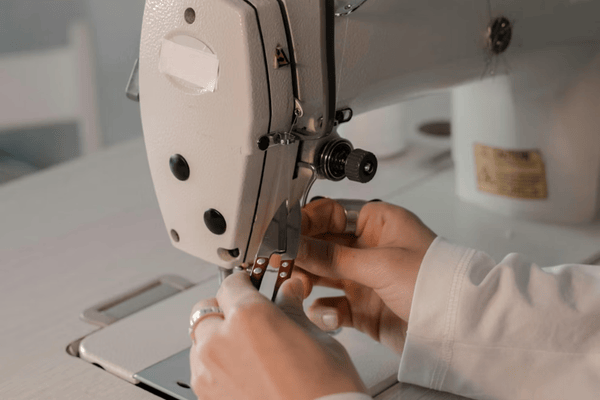
Wedding gowns require an experienced hand and years of training in couture sewing techniques. Attempting DIY fixes often causes more stress (and damage) than expected.
You want a fitter who understands design, and how a gown is engineered and how different fabrics respond to shaping, pressing, and stitching. They can tell you what’s possible, what isn’t, and what creative solutions might enhance your gown without compromising its design.
Expert tailoring should be invisible. The dress looks like itself, only better.
What to Expect During the Alteration Process
For your first fitting, bring shoes with the heel height you plan to wear on your wedding day, and any special undergarments. Your fitter can help create the perfect foundation choosing from our stock of seamless shapewear, corsets and sticky bras; They make a noticeable difference in how your dress hangs.
During this appointment, your fitter will assess the alterations needed, show you design options for bustling your train, and talk through the adjustments recommended. This is a collaboration—your comfort and your questions are always welcome.
Most brides need two to three fittings, spaced a couple of weeks apart. Starting the process at l two to three months before your wedding allows for easy appointment scheduling. Rush timelines are never a problem. Our fastest service is 3 fittings in 5 days.
Expert Wedding Dress Alterations at The Wedding Dresser
At The Wedding Dresser, our role is simple: to help you feel your confident best in a gown that fits beautifully and moves with ease. With studios in Brooklyn, NY, and Baltimore, MD, our team specializes in thoughtful tailoring for new, vintage, antique, sample and pre-owned gowns.
Our most sought-after service—expert alterations—focuses on refining the gown’s fit while preserving the original design. But we are also down to do any kind of restyling and customizations. We have a huge stock of fabric, laces and beading to transform your dream dress into the dress of yoru dreams!From minor adjustments to complete transformations, every stitch is handled with precision by designers who understand couture technique inside and out.
While you’re here for your fitting, you’ll also find everything but the dress—from shapewear and veils to jewelry, gloves, and wraps. We also tailor bridesmaid dresses, mother-of-the-bride looks, rehearsal dinner and party dresses, and even suits for the groom.
Visit The Wedding Dresser in Brooklyn or Baltimore to experience wedding magic brought to life through expert tailoring and personalized service. Book your appointment today.
Making Your Dream Dress Perfect
Wedding dress alterations don’t need to be something to stress about. Many of Our clients say their fittings were the most fun part of the planning process! they're an exciting part of making your dress truly yours. The investment in working with a highly skilled team is absolutely worth it for the confidence and security you'll feel on your special day.
Alterations should not feel overwhelming. With the right fitter, the process becomes clear, collaborative. Starting early and communicating openly ensures your gown feels made for you.
We will make sure you walk down the aisle feeling secure and confident knowing you look your beautiful best!